


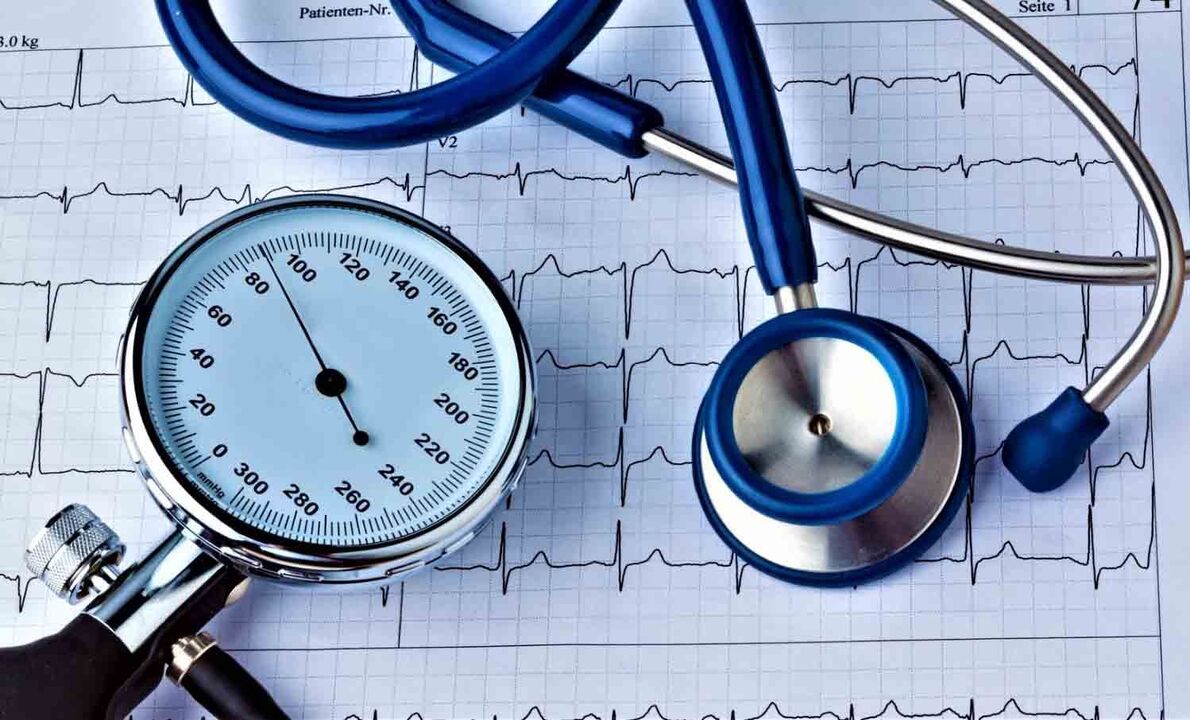
Hypertension is a systemic disease in which there is a sustained increase in blood pressure above 140/90 mm Hg.Art.
Causes of high blood pressure
In clinical cardiology, hypertension is divided into primary hypertension, which occurs as an independent disease, and secondary hypertension, which develops as a complication of other pathologies.
The causes of primary hypertension can be the following factors:
- Dysregulation of vascular pressure;
- excessive cardiogenic reactivity (sudden change in blood pressure against the background of external stimuli);
- increased arteriolar tone;
- Disturbance of the process of sodium excretion by the urinary system.
Secondary hypertension develops as a complication of certain pathologies, including:
- Diseases of the kidneys and adrenal glands - chronic glomerulonephritis, pyelonephritis, tumors of the kidneys and adrenal glands, obstruction of the renal artery, etc. These diseases lead to inhibition of the intensity of blood circulation in the kidneys, as a result of which the organs secrete a substance to compensate for the pathological condition.
- Endocrinological diseases – diabetes mellitus, hyperthyroidism, myxedema, tumors, metabolic disorders, hormonal imbalance, etc.
- Cardiovascular diseases – atherosclerotic narrowing of blood vessels, aortic lumen, valvular defects, etc.
In addition, provoking factors such as:
- a diet with excessive consumption of fats, salt, sugar and insufficient amounts of plant products in the menu;
- age over 55 years;
- hereditary predisposition;
- physical inactivity;
- smoking, alcohol abuse;
- chronic stress.
High blood pressure can also develop while taking certain medications (glucocorticosteroids, anabolic steroids, antidepressants).
Types of diseases
Depending on the cause and type of lesion, a distinction is made:
- primary hypertension;
- hypertensive disease with primary damage to the heart;
- high blood pressure with predominant kidney damage;
- arterial hypertension with predominantly damage to the heart and kidneys;
- secondary hypertension.
Taking into account the extent of the influence of pathology on internal organs, the following are diagnosed:
- Stage I (uncomplicated) – there is no damage to the target organs, but there is a persistent increase in blood pressure;
- Stage II (asymptomatic) – characterized by damage to target organs, but there are no signs of the pathological process;
- III - Organ damage occurs, which is accompanied by severe clinical symptoms.
Depending on the severity, high blood pressure is divided into the following categories:
- mild – increased blood pressure in the range of 140/90–159/99 mm Hg. Art.;
- moderate - indicators within 160/100-179/109 mm Hg. Art.Art.;
- severe – blood pressure over 180/110 mm Hg. Art.
Isolated hypertension is also distinguished, the peculiarity of which is that only systolic pressure increases.
Symptoms
Clinical manifestations of hypertension depend on the cause of the pathology and the degree of increase in blood pressure.In the initial stages, the disease can be asymptomatic, then patients complain of:
- headache, dizziness;
- noise, ringing in the ears;
- the appearance of “flies” and spots before the eyes;
- Sensation of active heartbeat, pulsation in temples, in back of head;
- facial flushing;
- pressing pain in the heart area;
- Shortness of breath;
- swelling of the face, hands;
- excessive sweating;
- Loss of appetite, nausea.
Other manifestations depend on the form and presence of complications of hypertension.These may include blurred vision, tremors, numbness in the limbs, loss of coordination and fine motor skills, etc.
If the disease progresses for a long time, the above-mentioned symptoms often bother the patient, but then disappear again.This is due to the fact that the receptors lose sensitivity and the body adapts to increased blood pressure parameters.However, it is necessary to measure blood pressure regularly, record indicators and follow doctor's recommendations.
Possible complications of high blood pressure
In advanced forms of the disease, complications such as:
- hypertensive crisis;
- Stroke;
- myocardial infarction;
- encephalopathy (decreased cognitive abilities with subsequent development of vascular dementia);
- renal, chronic heart failure;
- Arteriosclerosis;
- Dissection of an aortic aneurysm;
- hypertensive retinopathy (damage to the retina);
- Nephrosclerosis (mainly shrunken kidney).
The risk of complications depends on the combination of various triggering factors, but even a slight increase in blood pressure can have negative consequences.
Diagnosis of the disease
If symptoms of hypertension occur, you should consult a doctor or cardiologist.During the consultation, the doctor inquires about the symptoms and their severity and also explores the medical history in detail in order to identify factors for the development of the disease.Then the specialist conducts an examination, which includes a general examination, auscultation, percussion, palpation, measurement of heart rate and blood pressure.
To confirm the diagnosis, at least 3 isolated blood pressure measurements (on different days in a medical facility) or ABPM data (24-hour blood pressure monitoring) are required.
As part of the initial diagnosis, the patient is prescribed:
- clinical analysis of blood, urine;
- Blood test for the content of hormones and glycated hemoglobin.
To clarify the provoking factors and detect existing pathological processes, the patient can undergo the following diagnostic methods:
- electrocardiography;
- echocardiography;
- Duplex ultrasound examination of the brachiocephalic, renal and iliofemoral arteries;
- Ultrasound of the heart, urinary system;
- ophthalmological examination.
Depending on the cause of the disease, the family doctor can refer the patient to a cardiologist, endocrinologist, nephrologist, neurologist or ophthalmologist for further treatment and diagnostics.
Treatment of high blood pressure
The goal of treating hypertension is to normalize heart function, eliminate symptoms of the disease and prevent the development of complications.The treatment regimen is selected individually.
Non-drug therapy
Means a change in lifestyle.To do this you need:
- regularly participate in therapeutic exercises;
- control weight;
- give up bad habits and coffee drinks;
- exclude fatty, spicy foods, canned foods, fast food and confectionery from the diet;
- minimize the consumption of salt and sugar;
- eat more seasonal vegetables, fruits, fish and low-fat dairy products;
- Normalize the drinking regime (the daily amount of liquid should be 1-1.5 liters).
Drug therapy
Several groups of drugs are used to treat high blood pressure:
- diuretics;
- beta blocker medications;
- angiotensin-converting enzyme inhibitors;
- Antagonists of calcium channels and angiotensin II receptors;
- Substances with a central effect.
Depending on the indication, renin inhibitors, vasodilators, lipid-lowering agents, sedatives, etc. can be prescribed.Specific medications, dosage and frequency of administration are determined by the doctor.
Prevention of high blood pressure
There is no specific prevention of the disease.To minimize the risk of developing hypertension and dangerous complications, it is necessary to follow a number of general preventive measures:
- maintaining optimal body weight;
- exercise regularly;
- adhere to dietary nutrition;
- give up bad habits;
- promptly treat endocrine, nephrological and cardiac diseases;
- minimize stressful situations;
- Control of blood pressure.
It is also important to undergo regular checkups and follow all medical recommendations.If your blood pressure increases, you should make an appointment with your doctor.
In a multidisciplinary medical center you can get advice from highly qualified specialists.Experienced therapists and cardiologists prescribe the necessary examination for each patient and select an effective treatment.